
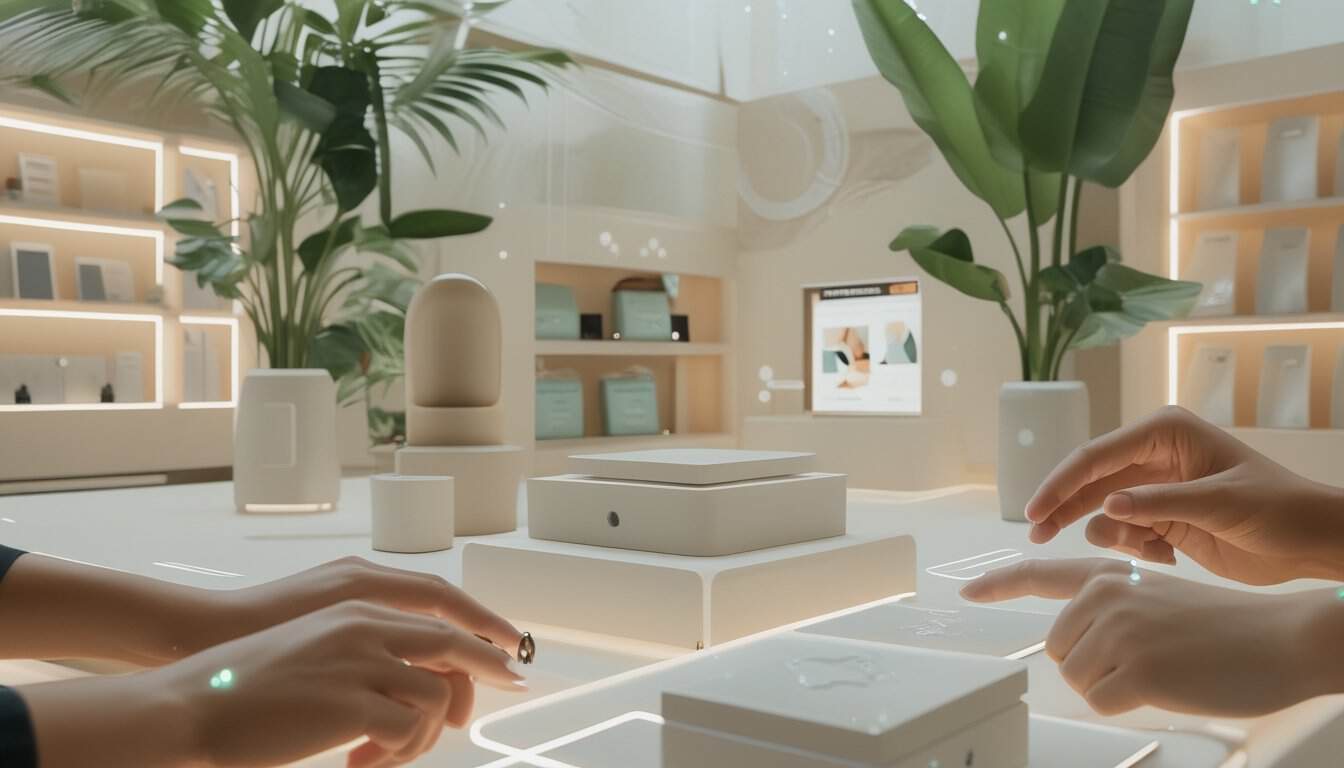
What the Touch Concept Actually Means
The Touch Concept is the simple idea that physical contact, interface design, and sensory cues can shape how people understand, react to, and trust an experience. In plain English: if something feels easy to touch, it usually feels easier to use, learn, or believe. Handy, right?
You meet the Touch Concept everywhere, from smartphone screens and product packaging to classroom tools and retail displays. It is not just about fingers and surfaces; it is about how touch helps reduce confusion, speed up decisions, and make an experience feel more human. Related source: exhibition booth design.
Why the Touch Concept Matters
The Touch Concept matters because touch is one of the fastest ways for your brain to gather information. Before you fully read a label or hear an explanation, your hands have already formed an opinion. That quick judgment can make the difference between confidence and hesitation.
For businesses, educators, designers, and everyday users, this means touch is not a decorative extra. It can improve usability, build trust, and make messages stick. When used well, touch removes friction; when ignored, it leaves people poking around like they have forgotten where the light switch is.
How the Touch Concept Works in Real Life
Touch as a signal
Texture, weight, shape, and surface finish all send signals. A soft-grip handle suggests comfort, while a sturdy button suggests reliability. These signals are silent, but they speak loudly.
Your brain connects those signals to expectations. If a product feels premium in your hand, you are more likely to assume it works well. If a form feels confusing to complete, you may assume the whole process is a headache.
Touch as feedback
Touch also gives instant feedback. A click, vibration, or physical resistance tells you that something happened. That small confirmation reduces mistakes and makes interactions feel smoother.
This is why taps, swipes, and physical controls often feel more intuitive when they offer clear response. Without feedback, users are left guessing, which is a bit like sending a text and wondering if it disappeared into the void.
Key Elements That Shape the Touch Concept
Several elements influence how the Touch Concept is experienced. The most obvious are texture, temperature, pressure, and motion, but design context matters too. A material can feel elegant in one setting and awkward in another.
Visual cues also play a role. People often expect certain things to feel a certain way based on how they look. Smooth visuals suggest smooth handling, while bold edges may imply strength or control. Touch and sight quietly team up behind the scenes.
Common Uses of the Touch Concept
Product design
Product designers use the Touch Concept to make items easier and nicer to handle. Think of ergonomically shaped tools, textured phone cases, and buttons that are easy to find without looking. These small choices can make a big difference in daily use.
In consumer products, touch can also influence perceived quality. A well-balanced device or a carefully finished surface often feels more trustworthy than a flimsy one, even before you test its actual performance.
Education and learning
In learning environments, touch can support memory and understanding. Physical models, manipulatives, and hands-on activities help learners connect abstract ideas to real objects. That makes lessons less theoretical and more memorable.
This is especially useful for younger learners and for topics that are hard to visualise. When students can touch, build, sort, or arrange materials, they often grasp concepts faster and remember them longer.
Retail and customer experience
Retail spaces use the Touch Concept to encourage exploration and confidence. Product samples, fabric swatches, and display layouts all invite people to engage physically before they buy. That interaction can reduce uncertainty and increase comfort.
A smooth checkout kiosk, a responsive button, or packaging that opens easily all contribute to a better customer experience. In retail, touch is often the quiet difference between “maybe later” and “I’ll take it.”
Benefits of Applying the Touch Concept Well
When the Touch Concept is applied well, people understand things faster and feel more comfortable using them. Good touch design reduces effort, which usually means fewer mistakes and less frustration. Nobody wants to wrestle with a lid, a form, or a tool before the actual task even begins.
It can also strengthen emotional connection. A pleasant tactile experience can make a brand, product, or space feel more thoughtful and more human. That emotional layer often matters just as much as function.
Challenges and Mistakes to Avoid
One common mistake is assuming that more touch automatically means better design. Not always. Too much texture, too much resistance, or too many physical steps can make an experience clunky instead of helpful.
Another issue is inconsistency. If one part of a product feels high quality but another part feels cheap or awkward, the whole experience can lose credibility. The Touch Concept works best when every tactile detail supports the same purpose, not when each piece is doing its own little side quest.
How You Can Use the Touch Concept Better
To use the Touch Concept better, start by asking what people need to feel before they can act confidently. Should something feel obvious, secure, soft, sturdy, or responsive? Once you know the goal, choose touch-based cues that reinforce it.
Then test the experience with real users whenever possible. Watch where they hesitate, what they reach for, and what they avoid. Those tiny movements often reveal more than a long explanation ever could. Good touch design is rarely accidental; it is usually the result of paying attention to what hands are quietly telling you.
The Bottom Line on the Touch Concept
The Touch Concept is all about using physical and sensory cues to make experiences clearer, easier, and more convincing. Whether it appears in design, learning, retail, or everyday interactions, touch helps people understand things quickly and feel more at ease.
If you remember just one thing, let it be this: touch is not a small detail. It is part of how people judge value, trust usefulness, and decide whether something feels worth their time. In other words, your hands often make the first impression before your brain even finishes the introduction.
